· Nicholas Nadeau · Technology · 2 min read
Athletech News on Onix: The Bottleneck Isn't Compute, It's Trust
Athletech News covered the launch of our Personal Intelligence platform, built on individual experts' licensed work, with a privacy model that means we can't watch even if we wanted to.
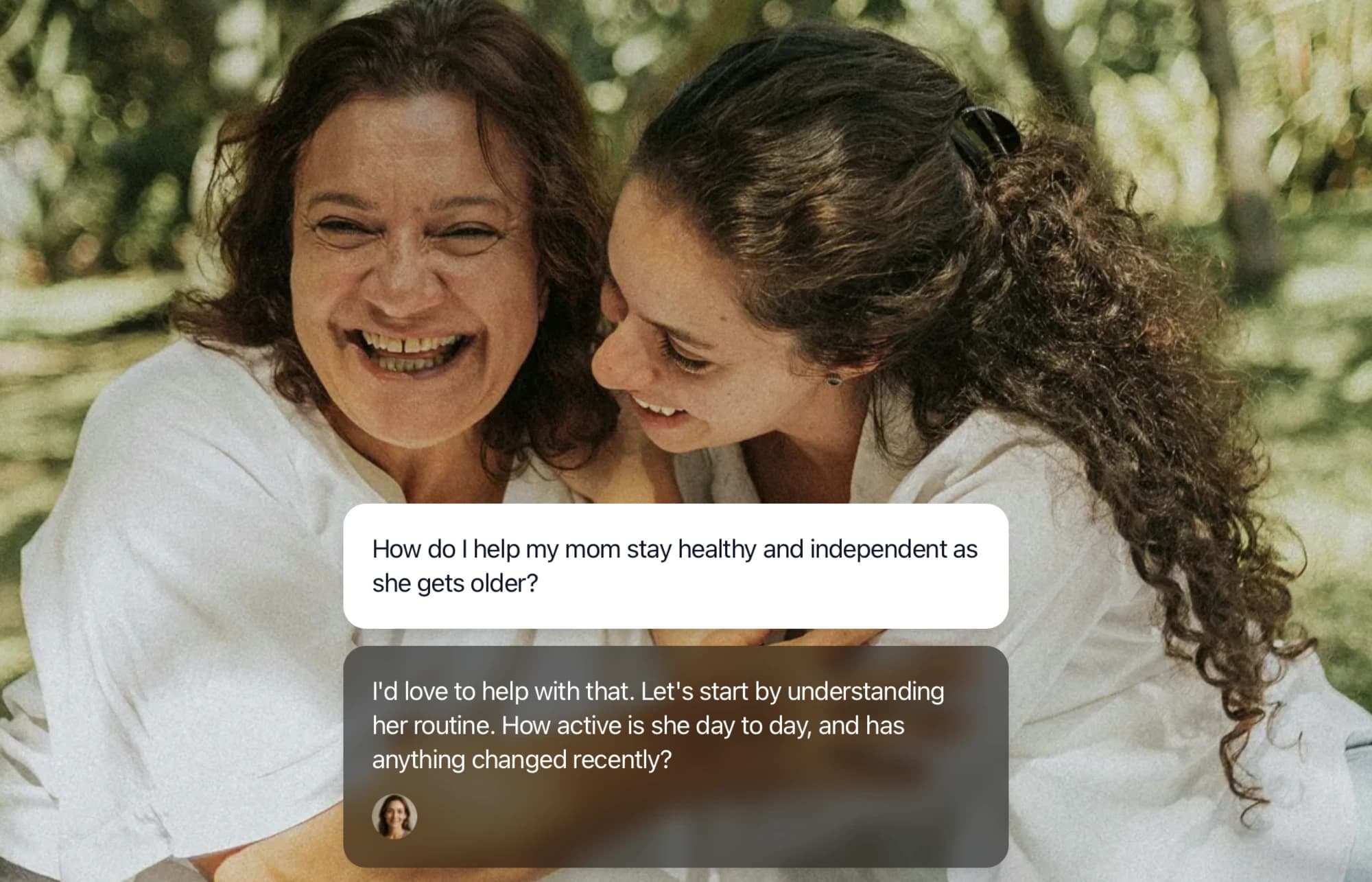
Athletech News covered the launch of Onix’s Personal Intelligence platform in New App Puts AI Versions of Popular Doctors In Your Pocket.
Specific Experts, Not Averaged Ones
Each Onix is built exclusively on one expert’s licensed research and intellectual property, used under explicit permission and governance. The founding members include physician Dr. William Li, known for his research on the role of food in health, and biochemist Jeffrey Bland, the “Father of Functional Medicine.” They’re joined by Christian Drapeau, MSc; Juliana Hauser, LMFT; Meenal Agarwal, OD; Ashley Koff, RD; Jill Carnahan, MD; Krista Ramonas, MD; Joel “Gator” Warsh, MD; Nicole Beurkens, PhD; and Mark Sisson.
Some of that material has never been published online. That is the point. As my co-founder and CEO David Bennahum put it in the piece, “a generic model trained on the entire internet can give you the average answer, not the right answer for you.”
Trust Is the Real Constraint
My own contribution to the article was a claim about where the industry is stuck:
Everyone in AI is racing to build bigger models. They’re solving the wrong problem. The real bottleneck isn’t compute. It’s trust. People won’t share what actually matters with a system that’s watching. We built Onix so the system can’t watch, even if we wanted to.
That last clause is an architectural commitment, not a policy promise. Conversations are end-to-end encrypted and stored locally on the device, in a personal data vault that neither Onix nor the experts can open. The only user data we hold is an email address. A privacy policy can be revised; a system that never receives the data has nothing to revise.
Complement, Not Replacement
Personal Intelligence is not clinical care and isn’t meant to substitute for it. The platform includes safeguards that redirect high-risk conversations toward appropriate medical services, and the guidance it offers is designed to sit alongside the practitioners a subscriber already trusts.
Onix is available on iOS, with Android to follow.